 Build Using Steel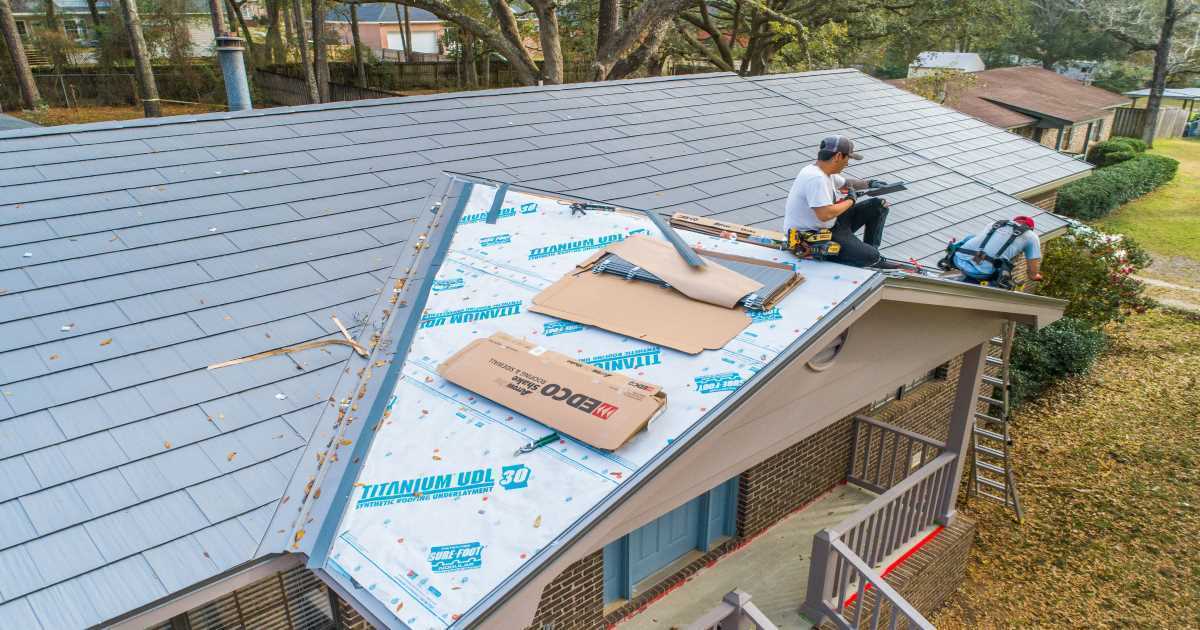
What’s Beneath Your Roof Matters: Understanding Roofing Underlayment
Photo by “Today’s Homeowner”
PORTLAND, OR — When it comes to re-roofing, homeowners typically pay the closest attention to things like material, color and style options, as well as how long a roof is designed to protect and last. Yet, for maximum performance and reliability, it’s just as important to consider what lies just below the surface. That includes what type of roofing underlayment your installer may be recommending or using.
Roofing underlayment is the membrane(s) installed in between the roof deck and the exterior roofing material and it provides an essential water-resistant barrier, helping prevent moisture from seeping into a home’s interior. Special types of underlayment also work to increase the level of protection against dangers like wildfire.
Roof underlayment details, technical aspects and manufacturing processes can quickly get complicated. To help, the Metal Roofing Alliance (MRA) presents the basic differences homeowners should keep in mind when working with an installer to select the right underlayment for their home:
Asphalt-saturated organic felts (paper)
- Benefits: Traditionally the most cost effective and therefore commonly used.
- Performance considerations: Provides a moderate level of moisture infiltration protection. Not suitable for use in high temperature applications including metal roofs.
- Other things to note: Other product options that offer better moisture protection are beginning to be used instead.
Modified bitumen self-adhered membranes (asphalt modified with rubber or plastic)
- Benefits: Advancements in technology make this a great choice to help protect homes in regions that experience driving rain, snow, and ice. Some types are even self-sealing, providing extra leak protection around fasteners and other roof penetrations.
- Performance considerations: Depending on the type of polymers used, it is also a durable choice against UV and heat. For metal, because it is important to ensure the underlayment is rated to sustain the high temperatures (HT) that are generated under metal panels, this type of underlayment is an excellent choice.
- Other things to note: This underlayment is typically thicker than organic felt and provides extra puncture and tear resistance. Surface options include film, granules and fabrics that are selected for their compatibility with the roof material being used (for metal, film is generally best).
Synthetic (plastic sheets)
- Benefits: Easy to install, excellent tear strength and UV resistance.
- Performance considerations: Repels moisture (but important to keep in mind it may leak around nails/fasteners especially in areas prone to wind-driven rain and ice damming).
- Other things to note: Due to the thin nature of the membrane, they generally do not have a high degree of puncture resistance.
Specialty underlayment (mostly fire barrier or slip sheets)
- Benefits: Provides extra peace of mind of having additional fire protection from wind-driven embers blowing on a roof and potentially igniting, especially in wildfire-prone areas.
- Performance considerations: Although effective at increasing the fire resistance of a roof assembly, they do not act effectively as a secondary water barrier.
- Other things to note: Recent innovations have led to the development of a modified bitumen self-adhered underlayment which offers waterproofing and fire resistance benefits combined.
For more information and additional details for what, why and how roofing underlayment works to protect a home, download a free copy of the “MRA Residential Metal Roofing Buyer’s Guide” at www.metalroofing.com.
About The Metal Roofing Alliance (MRA)
Representing the residential metal roofing industry in the United States and Canada, the Metal Roofing Alliance (MRA) was formed to help educate consumers about the many benefits of metal roofing. For more information about MRA membership, residential metal roofing resources and tools, visit MRA at www.metalroofing.com.
# # #
Contact:
Darcie Meihoff
Metal Roofing Alliance
Tel: 971-998-3782